Sound Waves
Scalpels? We don't need no stinkin' scalpels!

It could happen at a concert, a rave, an airport.
That feeling when the music or sound hits your body AND your ears. It’s an odd sensation. Is it physical? Is it psychosomatic? What it is, undoubtedly, is a sensation an invisible something that goes through the air and impacts your body.
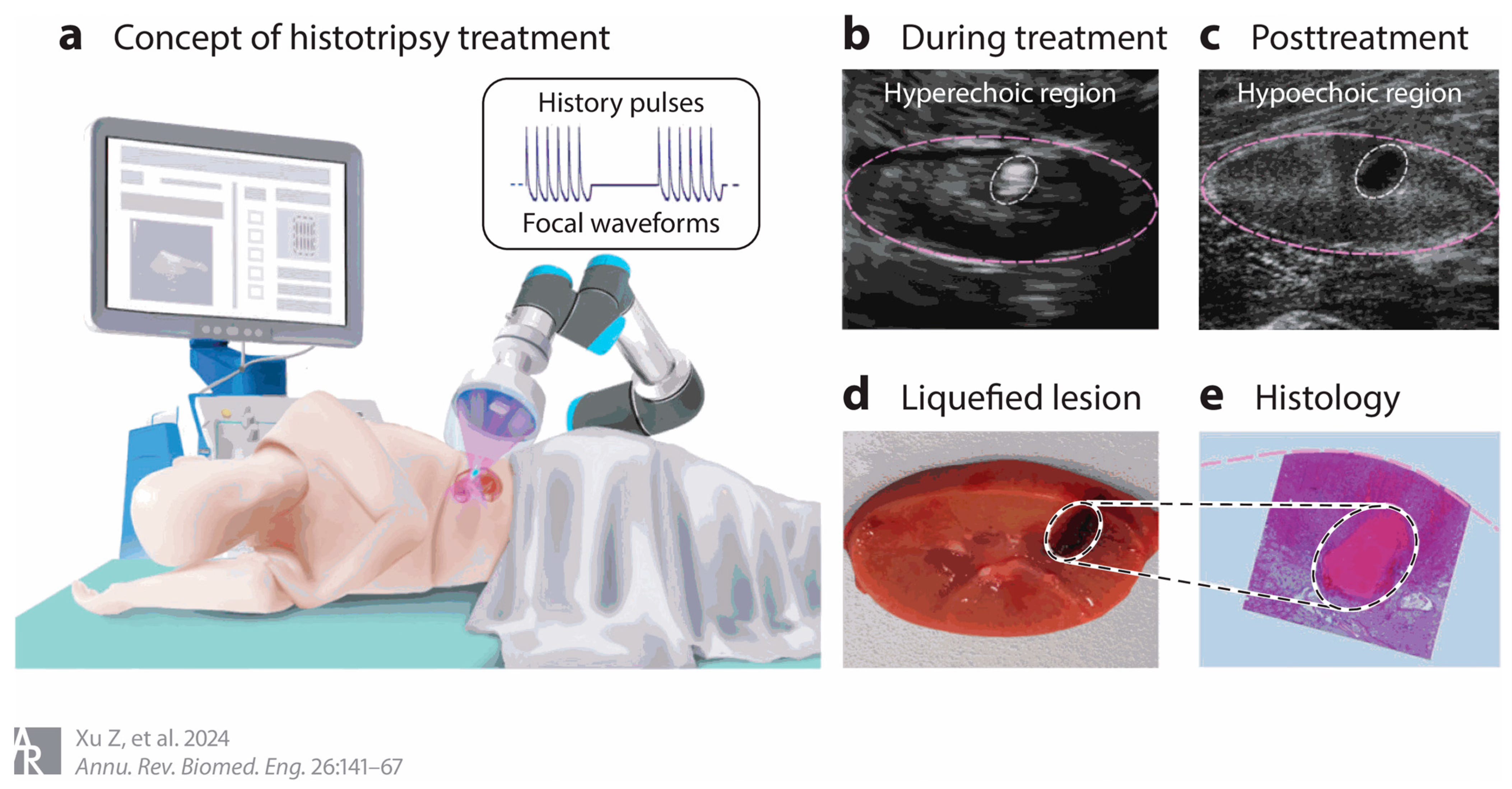
By taking that concept, making it, oh, about a million times more specific and precise and aiming it at your liver something incredible happens. Scientists have found using this process ends up up destroying a type of liver tumor that had been (until now) inoperable. An inoperable tumor eradicated without any type of incision.
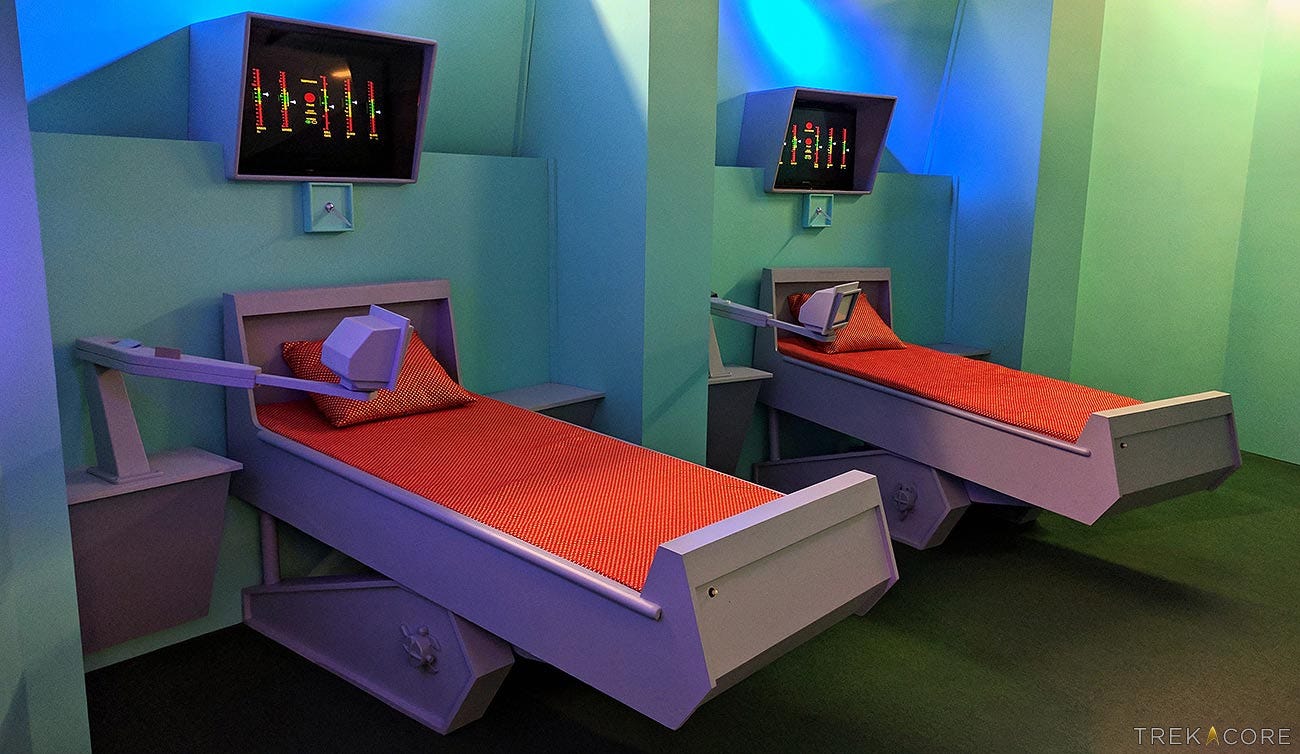
It sounds like a variation of the Star Trek medical bay, but it’s happening across the States. The tech is histotripsy, a word deeply rooted in the Greek term for “tissue breakdown.” And honestly, it is brilliant and clever.
Before we continue, a little divergence into the past. For decades, our strategy for treating solid tumors have been blunt. Cut it, burn it, or freeze it. But thermal (hot or cold) treatments invoke the problem of thermal spread, where the temperature treatment can often extend out from the target tumor and affect nearby body elements. Often blood vessels or, in the case or the liver, vital bile ducts can be impacted or destroyed. That’s not ideal.
Enter the new. Histotripsy throws out the blunt thermal playbook and gets technical and precise. It uses high-intensity focused ultrasound waves directed by a precise robotic arm. Focused and precise in the same sentence! When the emitted waves impact the fluid inside a targeted tumor, they create a resulting reaction called acoustic cavitation. The result of this process is that microscopic gas bubble form, expand out and then collapse. All in a fraction of a second.