

Saving Bees
The benefits of a good nutritional diet extend beyond humans

Bees.
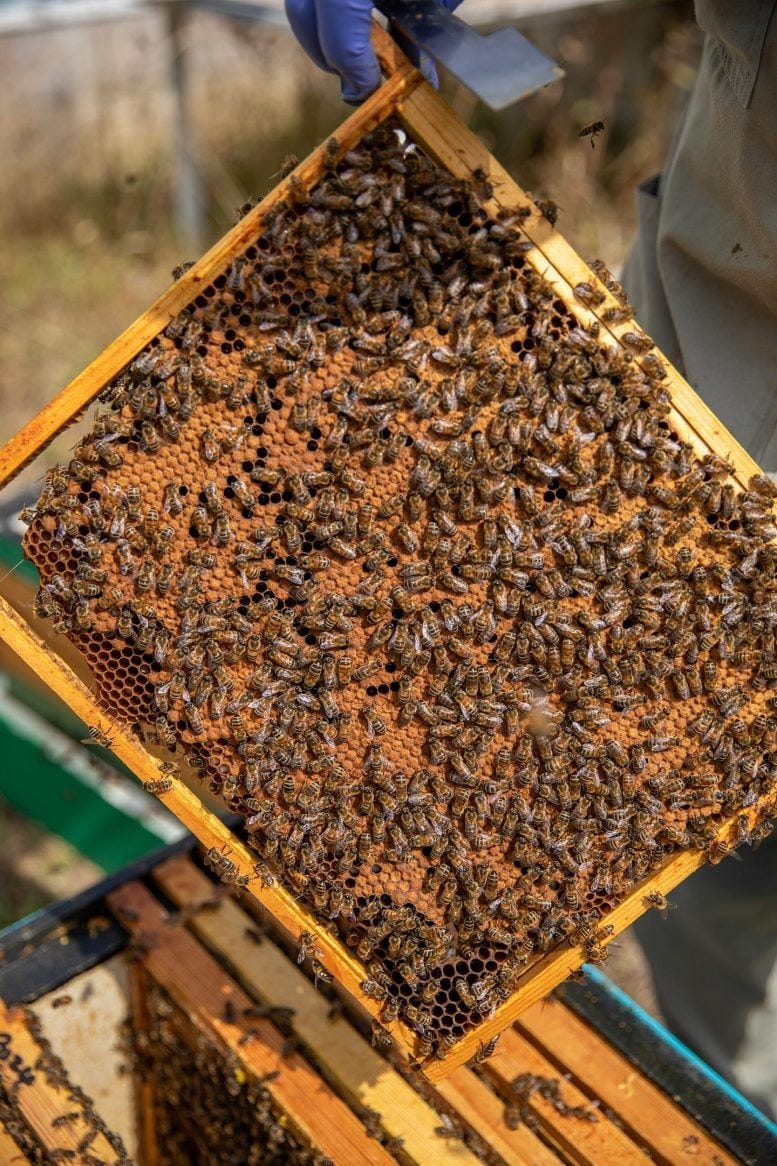
If you’ve watched a bee pollinate, it’s a small, mundane but wonderful experience. The bee lands on the flower, ducks its head in, emerges somewhat covered in a near-gold pollen, and then it's off to the next blossom. It’s a process that acts as an engine of nature, fueling our world with honey, flowers, and foods. And a few bee stings.
That process is vital but under threat from pesticides, climate change, and a lack of good foods.
A world without bees would be a world with half of a supermarket’s produce aisle gone. Apples, avocados, almonds, and blueberries would become scarce or simply disappear. And the ripple effects down the ecosystem would be equally catastrophic. The global economy would be in crisis, with crop yields plummeting and food prices soaring. In short, a world without bees is a world of food scarcity, economic instability, and widespread ecological collapse.
But have no fear!
We go into the problem and discuss a solution from Oxford after the bump.
